Services
Comprehensive Eye Exam
A thorough, unhurried evaluation of your full visual system and eye health — far more than a quick vision check.
Your eyes are among the most complex organs in your body, and assessing them well takes more than a single test. Unlike a simple vision screening — which only checks how clearly you see — a comprehensive eye exam brings together a battery of tests to fully evaluate both your vision and the health of your eyes. The exact tests can vary from one eye doctor to another, but the following are some of the most common you may encounter.
Patient Background & History
One of the most important parts of a comprehensive eye exam is your health history. This information alerts your doctor to any conditions that should be monitored closely — such as allergies to medications, a personal or family history of systemic or eye disease, or environmental factors that could be affecting your vision or eye health. It also helps your doctor recommend the preventative measures most relevant to keeping your eyes healthy for years to come.
Visual Acuity
Visual acuity is a measurement of your vision using an eye chart, most commonly the Snellen chart. You are seated at a standard distance and asked to read letters or symbols that get progressively smaller down the chart. The results are expressed as the familiar ratio — 20/20, 20/40, and so on — comparing your vision to that of a person with normal sight. A patient with 20/40 vision, for example, can see at 20 feet what a person with normal vision sees at 40 feet. This test shows how clearly you are seeing in each eye, but it does not by itself produce a prescription for corrective lenses.
Refraction
Those who do not have 20/20 vision typically have what is called a refractive error. This may be nearsightedness, farsightedness, astigmatism, or another condition that keeps the eye from seeing 20/20. A refraction tells the doctor which prescription lenses will correct your eyesight to 20/20 — or to the sharpest vision your eyes can be corrected to.
Retinoscopy
Retinoscopy allows the doctor to obtain an approximate prescription for eyeglasses. Using a hand-held instrument called a retinoscope, the doctor shines a light into your eye and analyzes the reflection that comes back. From the behavior of that reflected light, the doctor can estimate your prescription for glasses.
Pupil Dilation
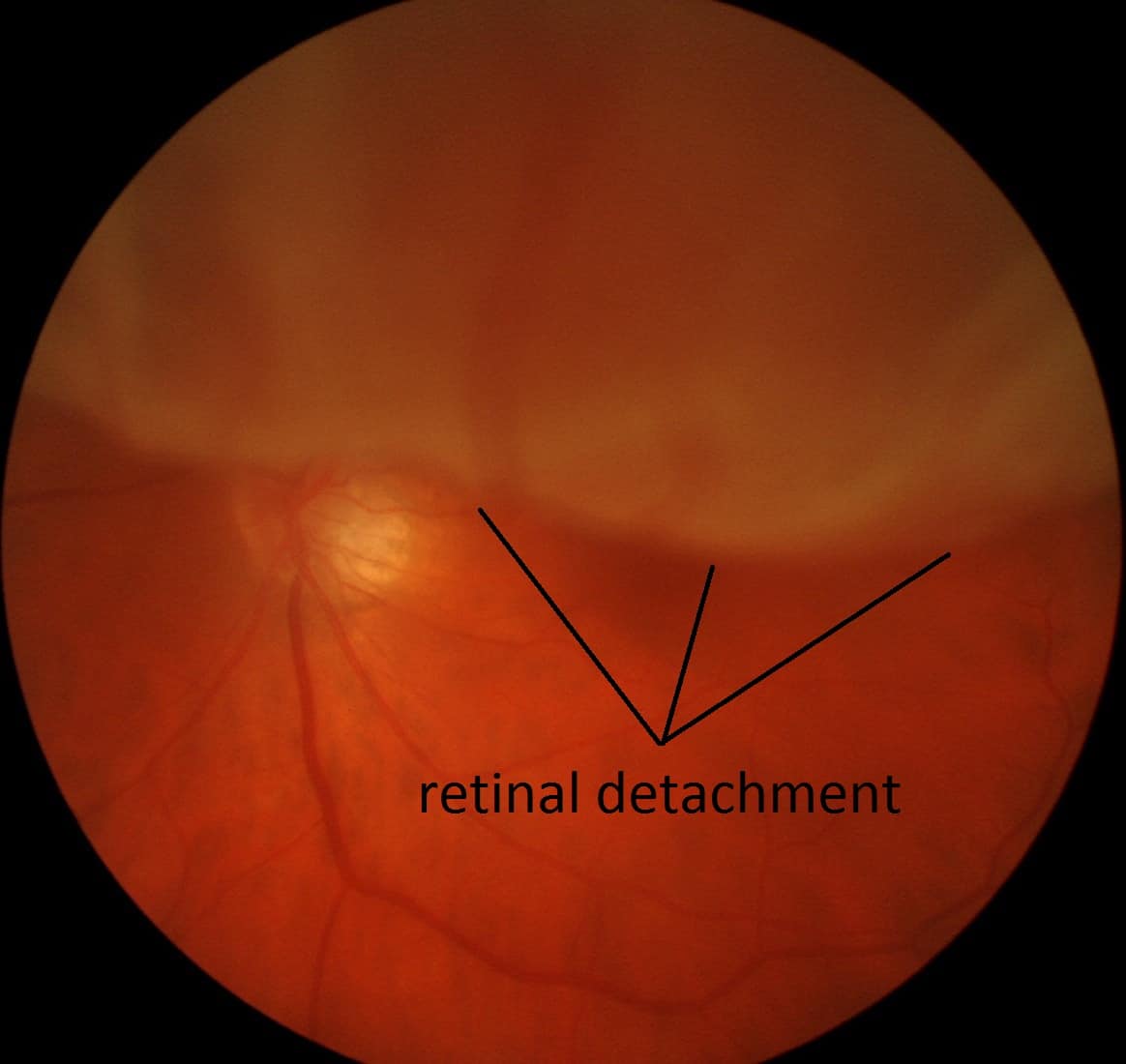
During your exam, your doctor may decide to perform a dilated eye exam. Dilating drops are placed in each eye to enlarge your pupils, giving the doctor a clearer view of certain parts at the back of the eye. Dilation is done at the doctor's discretion — some patients are dilated every year, others at longer intervals — and the frequency will vary from person to person. If you would like to learn more about the comprehensive eye exam, email us at eyeschoice@gmail.com or call (714) 543-9489 to schedule your visit.